Kerala Government Hub

The Kerala Government Hub supports Kerala residents and their democracy by bringing together information, experts, organizations, policy makers, and the public to facilitate greater engagement in federal, state, and local politics and more civil, positive discussions and collaborations on important issues and governance.

Kerala Government Hub is one of many state government hubs being launched next year by the nonpartisan, nonprofit onAir Networks.  Other state hubs will be discoverable in the future at the national India Government Hub.

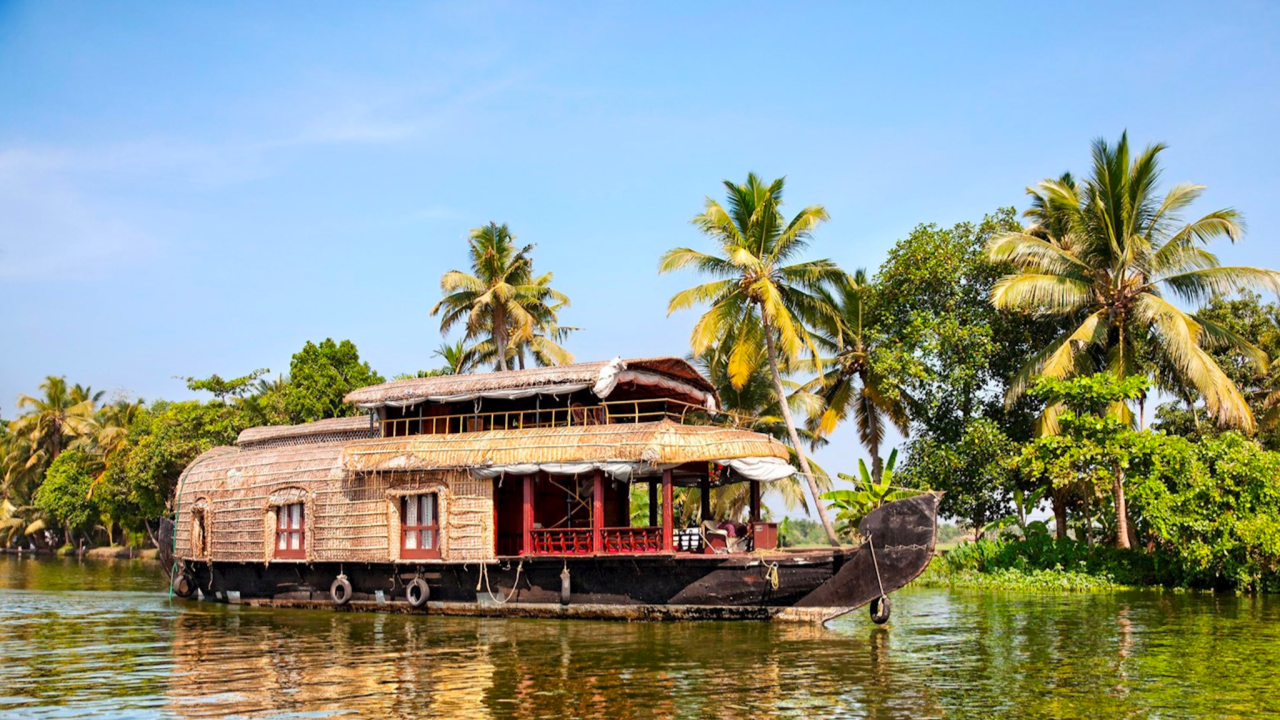
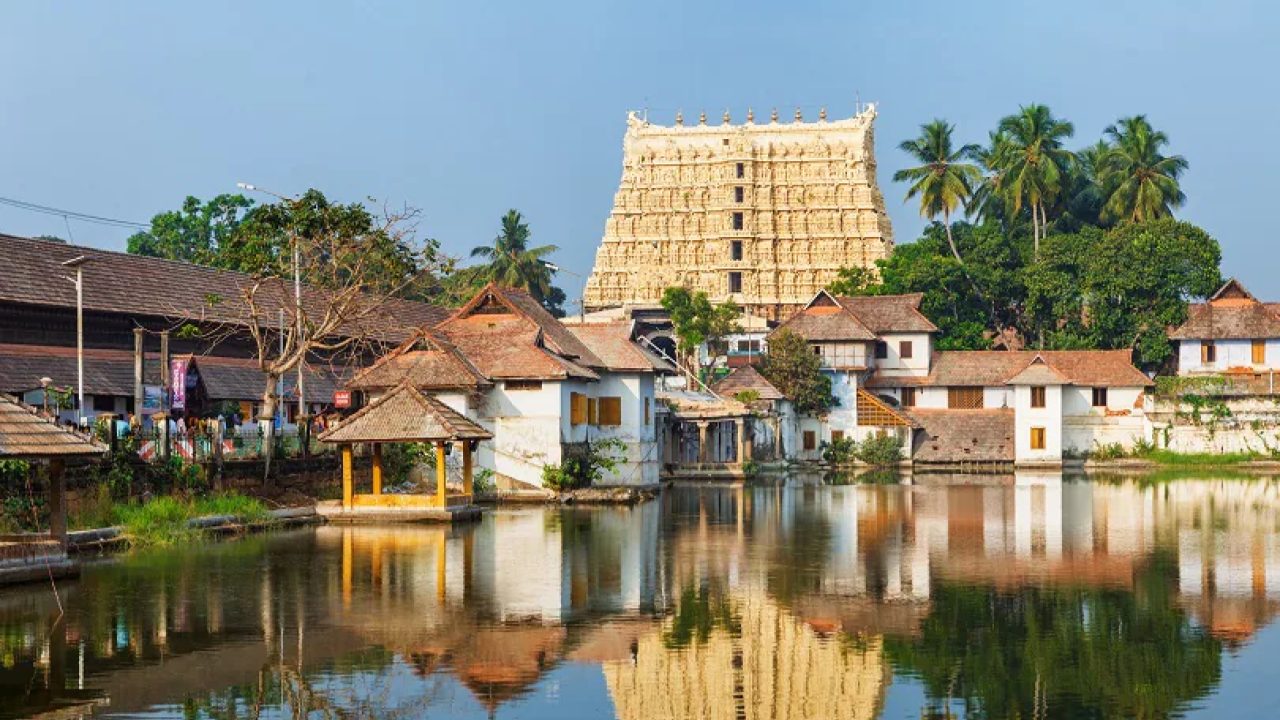
Kerala is a state on the Malabar Coast of India. It was formed on 1 November 1956, following the passage of the States Reorganisation Act, by combining Malayalam-speaking regions of the erstwhile regions of Cochin, Malabar, South Canara, and Travancore. Spread over 38,863 km2 (15,005 sq mi), Kerala is the 21st largest Indian state by area. It is bordered by Karnataka to the north and northeast, Tamil Nadu to the east and south, and the Lakshadweep Sea to the west. With 33 million inhabitants as per the 2011 census, Kerala is the 13th-largest Indian state by population. It is divided into 14 districts with the capital being Thiruvananthapuram. Malayalam is the most widely spoken language and is also the official language of the state.

OnAir Post: Kerala Government Hub
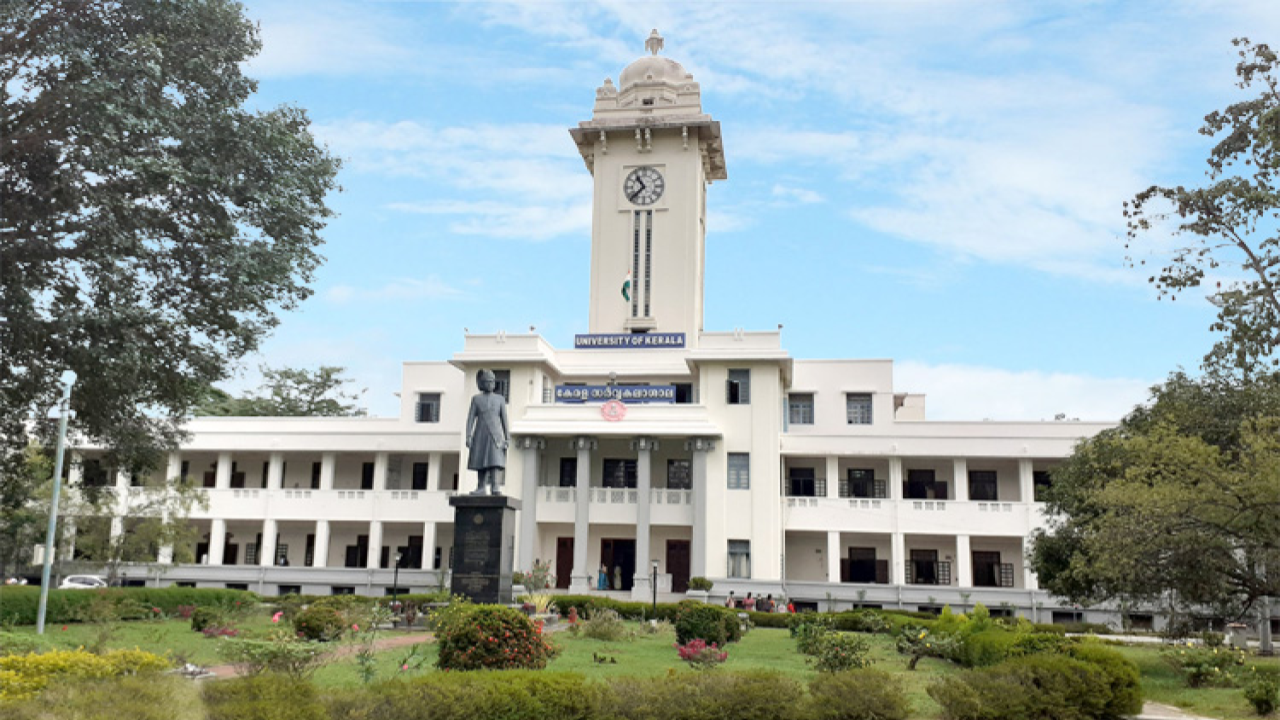
University of Kerala

University of Kerala, formerly the University of Travancore, is a state-run public university located in Thiruvananthapuram, the state capital of Kerala, India. It was established in 1937 by a promulgation of the Maharajah of Travancore, Chithira Thirunal Balarama Varma who was also the first Chancellor of the university. C. P. Ramaswamy Iyer, the then Diwan (Prime Minister) of the State was the first Vice-Chancellor. It was the first university in Kerala, and among the first in the country. Accredited by NAAC with highest grade of A++ and scored 3.67 points out of 4.

The university has over 150 affiliated colleges and has sixteen faculties and 43 Departments of teaching and research. The Governor of Kerala serves as the Chancellor of university.

OnAir Post: University of Kerala

Pinarayi Vijayan

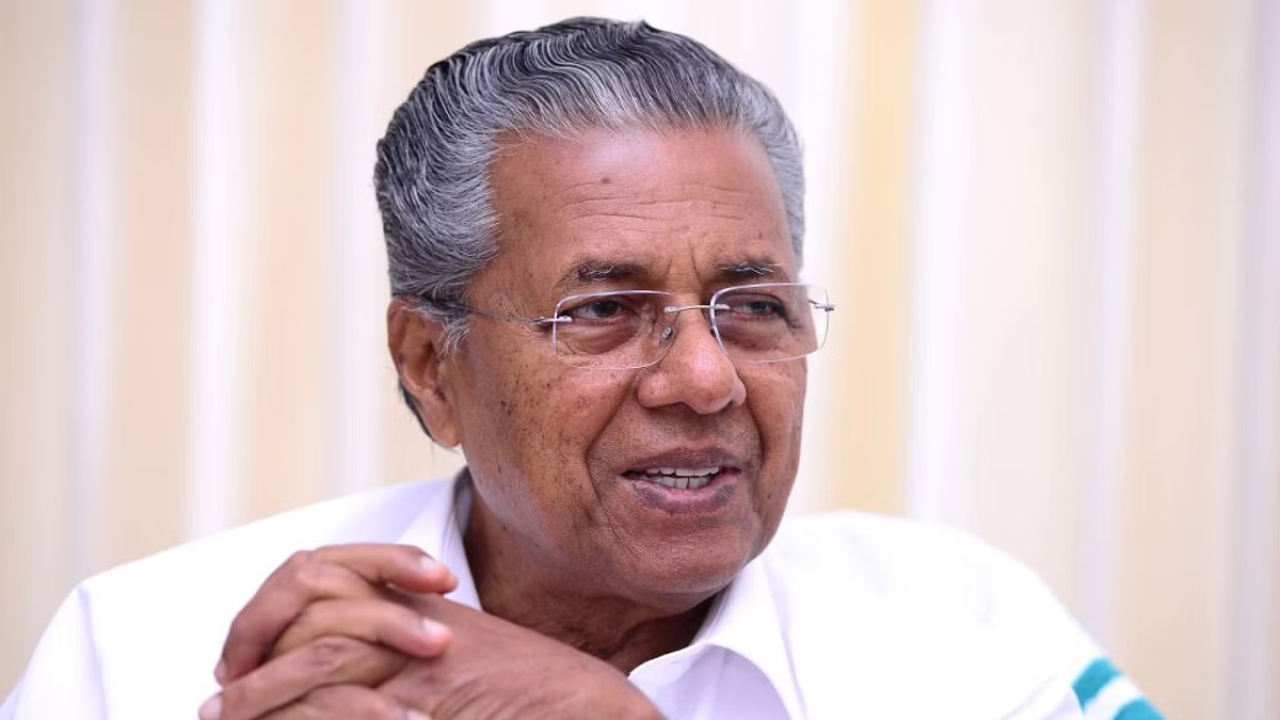
Pinarayi Vijayan is an Indian Communist politician who is the current Chief Minister of Kerala, serving since 25 May 2016. A member of the Politburo of the Communist Party of India (Marxist), he is the longest-serving secretary of the Kerala State Committee of the CPI(M) (1998–2015). He also served in the government of Kerala as Minister of Electric Power and Co-operatives from 1996 to 1998. Vijayan won a seat in the May 2016 Kerala Legislative Assembly election as the CPI(M) candidate for Dharmadom constituency and was selected as the leader of the Left Democratic Front (LDF) and became the 12th Chief Minister of Kerala. He is the first chief minister from Kerala to be re-elected after completing a full term (five years) in office. In 2022, he also became the longest-continuous serving chief minister of Kerala surpassing C. Achutha Menon who had been the first to remain in office for 2364 consecutive days.

OnAir Post: Pinarayi Vijayan

Kerala Legislative Assembly

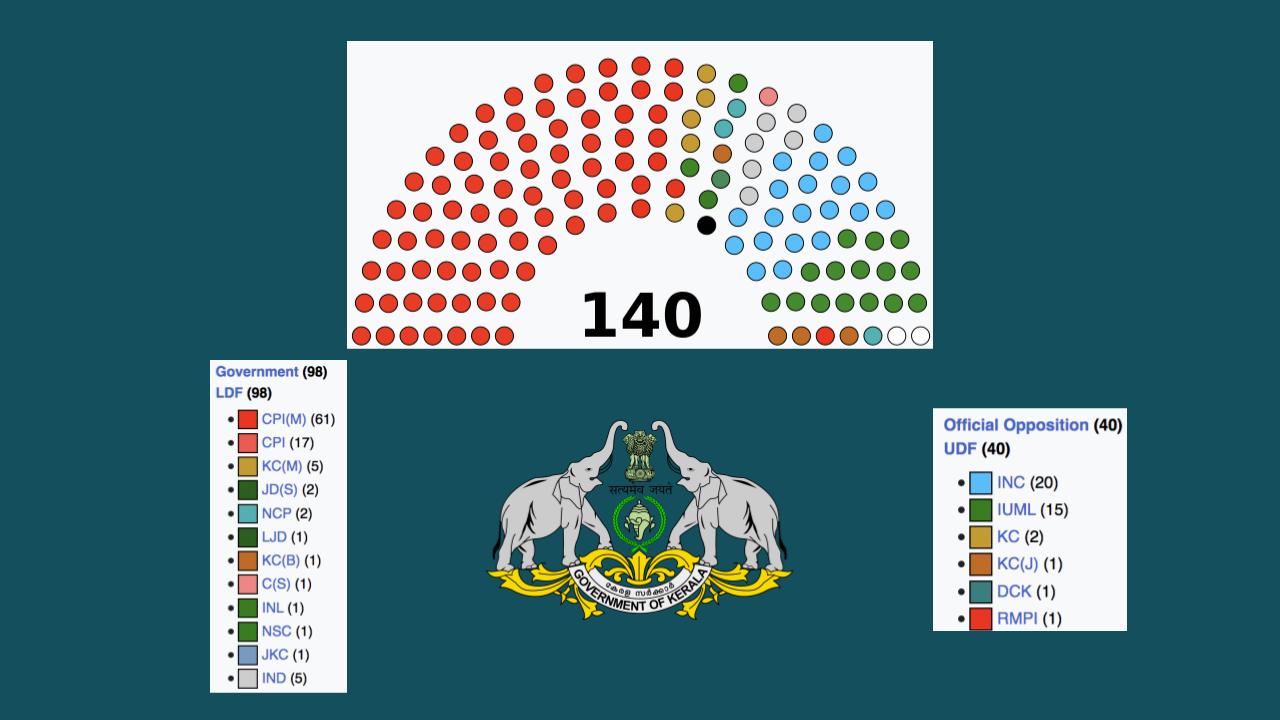
The Kerala Legislative Assembly, popularly known as the Kerala Niyamasabha, is the State Assembly of Kerala, one of the 28 states in India. The Assembly is formed by 140 elected representatives. Each elected member represents one of the 140 constituencies within the borders of Kerala and is referred to as Member of the Legislative Assembly (MLA). The present Kerala Legislative Assembly consists of 140 elected members.

OnAir Post: Kerala Legislative Assembly

About Kerala

The Chera dynasty was the first prominent kingdom based in Kerala. The Ay kingdom in the deep south and the Ezhimala kingdom in the north formed the other kingdoms in the early years of the Common Era (CE). The region had been a prominent spice exporter since 3000 BCE. The region’s prominence in trade was noted in the works of Pliny as well as the Periplus around 100 CE. In the 15th century, the spice trade attracted Portuguese traders to Kerala, and paved the way for European colonisation of India. At the time of Indian independence movement in the early 20th century, there were two major princely states in Kerala: Travancore and Cochin. They united to form the state of Thiru-Kochi in 1949. The Malabar region, in the northern part of Kerala, had been a part of the Madras province of British India, which later became a part of the Madras State post-independence. After the States Reorganisation Act, 1956, the modern-day state of Kerala was formed by merging the Malabar district of Madras State (excluding Gudalur taluk of Nilgiris district, Lakshadweep Islands, Topslip, the Attappadi Forest east of Anakatti), the taluk of Kasaragod (now Kasaragod District) in South Canara, and the erstwhile state of Thiru-Kochi (excluding four southern taluks of Kanyakumari district, and Shenkottai taluks).

OnAir Post: About Kerala

Skip to toolbar